Description
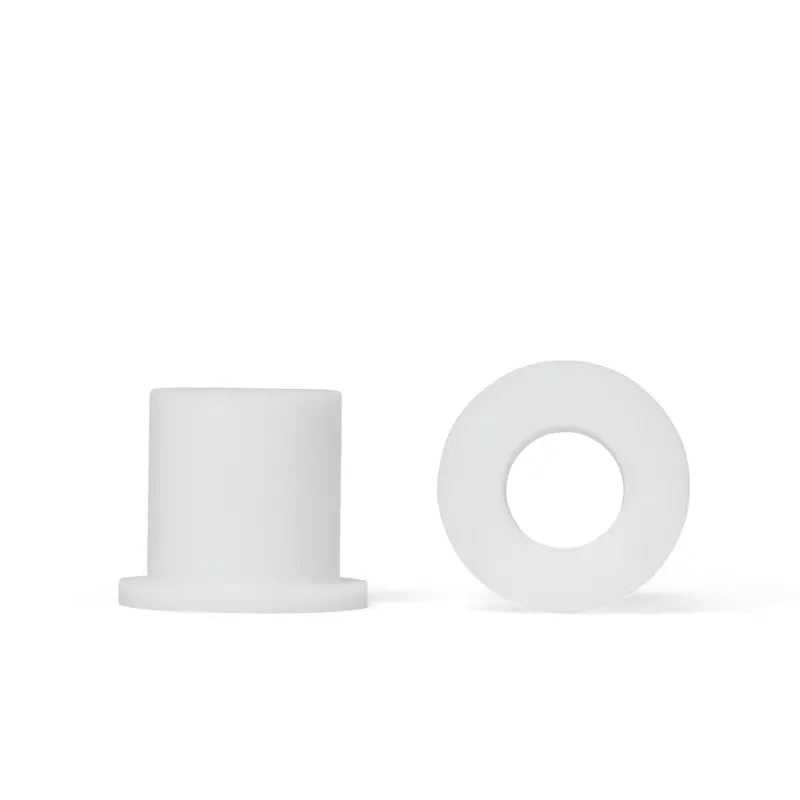
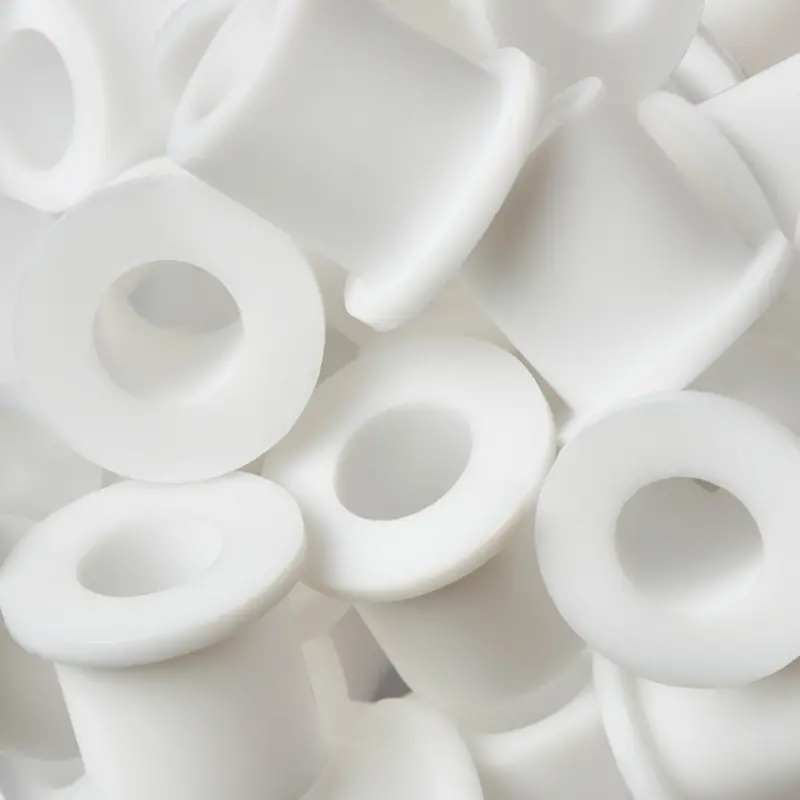
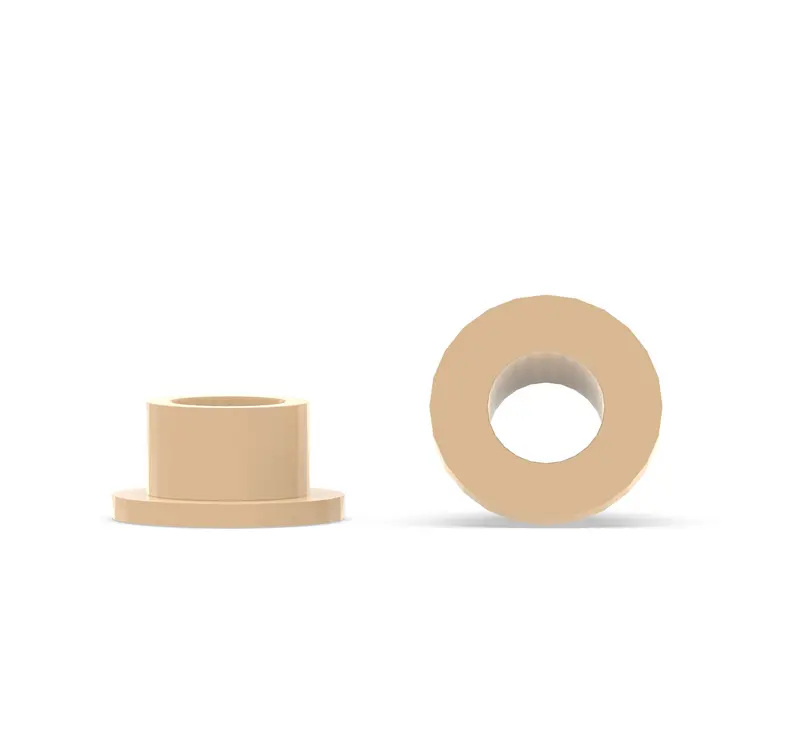
PTFE Flanges, available in inside diameter sizes ranging from 4mm to 20mm, are designed for use in various industrial applications due to their exceptional properties. Made from Polytetrafluoroethylene (PTFE), these flanges offer excellent chemical resistance, high-temperature tolerance, and low friction coefficients. The non-reactive nature of PTFE makes it suitable for handling corrosive substances, ensuring durability and longevity even in harsh environments. Additionally, PTFE flanges are known for their electrical insulating properties and resistance to weathering, making them an ideal choice for both chemical and electrical applications.
Inside Diameter (mm) – 4, 5, 5.1, 9.7, 10, 12.7, 15.7, 20
Outside Diameter (mm) – 6, 8, 10, 16, 15, 19.3, 23, 26
Overall Length (mm) – 5.5, 5.9, 8, 8.8, 9, 11, 16.5, 18, 20, 21.5
Polytetrafluoroethylene (PTFE) flanges represent a pinnacle of engineering innovation, renowned for their exceptional properties and versatility across diverse industries. PTFE, a fluorine-based resin, exhibits remarkable resistance to chemicals and solvents, along with unparalleled electrical properties, non-stick characteristics, and lubricity.
Advantages of PTFE Flanges:
1. Chemical Resistance: PTFE flanges offer outstanding resistance to a wide range of chemicals and solvents, making them ideal for applications where exposure to corrosive substances is common. They maintain their integrity even in the presence of aggressive acids, bases, and other corrosive agents, ensuring long-term reliability.
2. High Temperature Stability: PTFE flanges excel in high-temperature environments, retaining their structural integrity and performance even at elevated temperatures. This property makes them suitable for use in applications where thermal stability is critical, such as in chemical processing, automotive, and aerospace industries.
3. Electrical Insulation: With excellent electrical insulating properties, PTFE flanges provide effective insulation against electrical currents. This feature makes them invaluable in electrical and electronic applications, where insulation and dielectric strength are paramount.
4. Non-Stick Surface: PTFE’s non-stick properties ensure minimal adhesion of substances to the flange surface, reducing friction and facilitating easy cleanup. This characteristic is particularly advantageous in food processing, where adherence of food particles can be detrimental to hygiene and efficiency.
5. Lubricity: PTFE’s inherent lubricity reduces friction and wear, contributing to smooth operation and prolonged service life of mechanical components. This quality is beneficial in machinery and equipment where friction must be minimized to prevent premature wear and enhance efficiency.
Uses of PTFE Flanges:
1. Chemical Processing: PTFE flanges find extensive use in chemical processing equipment, including pumps, valves, and piping systems, where resistance to corrosive chemicals is essential.
2. Electrical Engineering: PTFE flanges are employed in electrical insulation components, such as insulators, connectors, and circuit breakers, due to their excellent dielectric properties.
3. Mechanical Engineering: PTFE flanges serve in various mechanical applications, including bearings, seals, and gaskets, where low friction and high temperature stability are required.
4. Food and Pharmaceutical Industries: PTFE flanges are utilized in food processing and pharmaceutical equipment, ensuring hygienic operation and compliance with stringent regulatory standards.
5. Aerospace and Automotive Industries: PTFE flanges are integral components in aerospace and automotive systems, providing reliable performance under extreme conditions of temperature, pressure, and vibration.
Explore more from our collection.
Reviews
There are no reviews yet.